Prescription Drug Addiction Treatment
At Lifetime Recovery in Mullica Hill, New Jersey, our prescription drug addiction treatment program provides medication-assisted treatment, individual and group therapy, holistic therapies and support for people addicted to opioids, benzodiazepines, stimulants, antidepressants and other prescription medications—all in a serene outpatient setting.
CALL NOW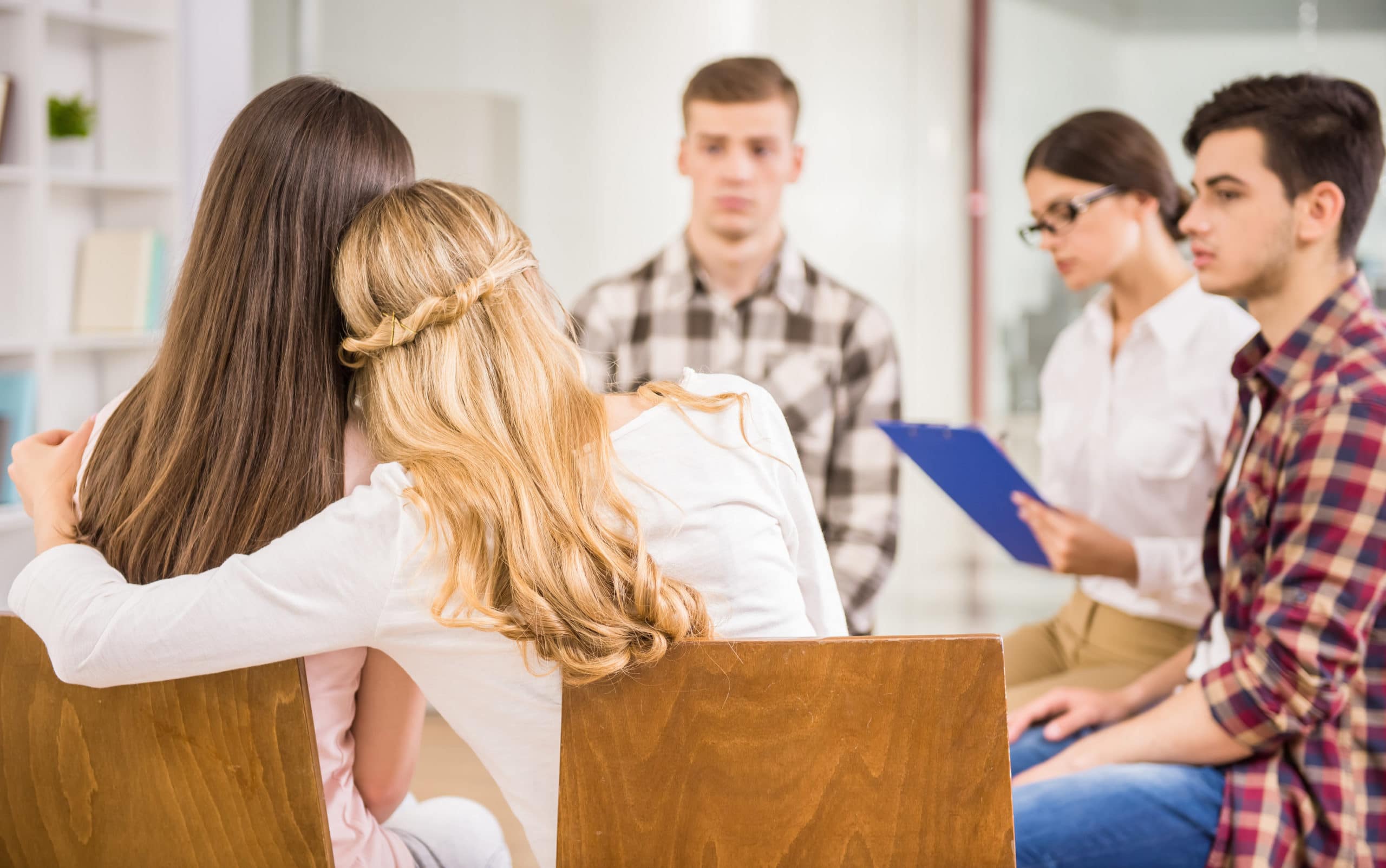
Prefer to contact us online instead?
Use this form to send us a message. One of our recovery specialists will respond promptly.
Although we often hear of drug overdoses related to heroin, cocaine and fentanyl, there are overdoses every year caused by benzodiazepines, depressants, stimulants, antidepressants, and other prescriptions.
Substance misuse grew significantly during 2020 in New Jersey and other states because of the pandemic. Governor Murphy recently shared the grim opioid-related death statistics from 2020 and pledged the state’s continuing commitment to battling the opioid crisis.
 To demonstrate this, the 2022 budget includes provisions for opioid addiction treatment program assistance, harm reduction services, drug diversion, and a variety of supportive social programs. Also, there is a new initiative to allow income assistance to qualifying people who have drug convictions.
What is Prescription Drug Addiction?
Although there is still a stigma surrounding addiction, it is important to remember that it’s not a choice. With prescription drugs, addiction can result from taking the medication as directed or misusing it. Prescription drug misuse happens when people take a higher dose or too many doses of a prescribed substance.
When people depend on a drug or misuse it, the substance changes how the brain works. This is why modern professionals recognize addiction as a brain disease. Because of how addiction affects people, it can be a chronic and relapsing disease without proper treatment
How Drugs Affect Neurotransmitters
When someone reads words on a page, eats, or does anything else, the brain uses neurotransmitters to send information from one neuron to another. The resulting signals from different types of neurotransmitters affect how people feel, think and act. However, neurons can also adapt and reconfigure.
By design, drugs affect one type of neurotransmitter or a group of them.[4] The purpose of opioids is to mimic the effects of enkephalin and endorphins, and this reaction slows respiration, decreases the perception of pain, and lowers alertness. The design of some stimulants is to affect dopamine to increase activity and produce a euphoric feeling. However, many drugs have this effect in common, which is a key contributor to addiction.
Whether the actions of a drug mimic neurotransmitters or alter neurotransmission activity, the effects on the brain can be lasting. To compensate for the changes in neurotransmission, the brain makes alterations of its own. It may reduce its complement of dopamine receptors to deal with dopamine surges.
The effect of this change is an increased susceptibility to withdrawal and dependence. As the brain adjusts to the changes the substance brings, removing it suddenly can be dangerous and will cause unpleasant symptoms, such as nausea and others.
Treating prescription drug addiction and mental health
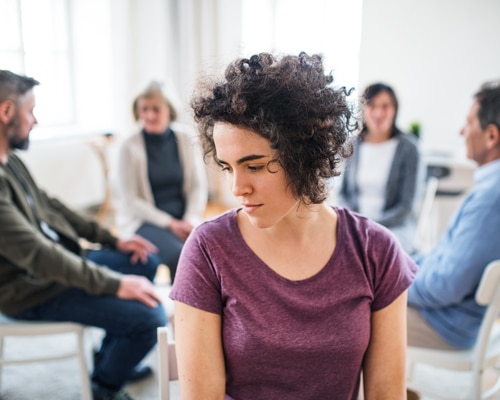 Since addiction and mental health issues often co-occur, it is important to work with a facility that recognizes and treats both simultaneously. Without treating an underlying mental health issue that may cause you to use a substance in the first place, the risk of relapse is higher.
For example, if you turn to stimulants because of severe depression, removing the stimulants through detox still leaves the depression untreated. You may end up turning back to substances when the depression becomes unbearable again.
By treating the whole person, we make sure that people have the treatment, support, and knowledge needed to beat the cycle of addiction and manage chronic mental health conditions. Group therapy is also helpful. We teach you the reasons for your behaviors and help you identify your triggers. We also teach you how to change behaviors, cope with past trauma and avoid or deal with triggers.
Our program offerings include:
- Partial care or partial hospitalization program (PHP) – This requires about 20 hours per week on-site at our facility and includes a structured environment with access to educational materials, addiction counseling, and community support.
- Outpatient program (OP) – You’ll have access to individual, family, or group therapy in an outpatient setting, meaning you don’t stay in a facility. You only visit for appointments.
- Intensive outpatient program (IOP) – These education and counseling sessions last several hours and are held three to five times a week.
- Medication-assisted treatment (MAT) program – This is a common approach involving use of other substances to treat alcohol and opioid addiction. After you’ve received professional help detoxing, alternative substances can help treat withdrawal symptoms, control cravings, and prevent other unpleasant effects.
Prescription drug addiction treatment in New Jersey
Trying to detox and go through recovery alone is dangerous and lonely. Supervised detox allows you to start your journey more comfortably and safely. One key component of staying in recovery is having a supportive team of people helping you through every step.
At Lifetime Recovery, we work hard as a team to help each person find individualized solutions and regain control of life as they seek treatment. Our facility is a safe and peaceful place where you can come to share your struggles and find the support you deserve.
At Lifetime Recovery in Mullica Hill, NJ, in South Jersey, our outpatient and medical treatment center treats people with conditions ranging from drug and alcohol addiction to mental illness.
We’re also one of the few alcohol and drug rehab centers to provide gambling addiction treatment. Through our integrated model and holistic approaches, we provide evidence-based winning solutions for you to recover from addiction and develop healthy ways to live the rest of your life.
Serving all of New Jersey, Philadelphia, Delaware, Connecticut, and New York.