Marijuana Addiction Treatment
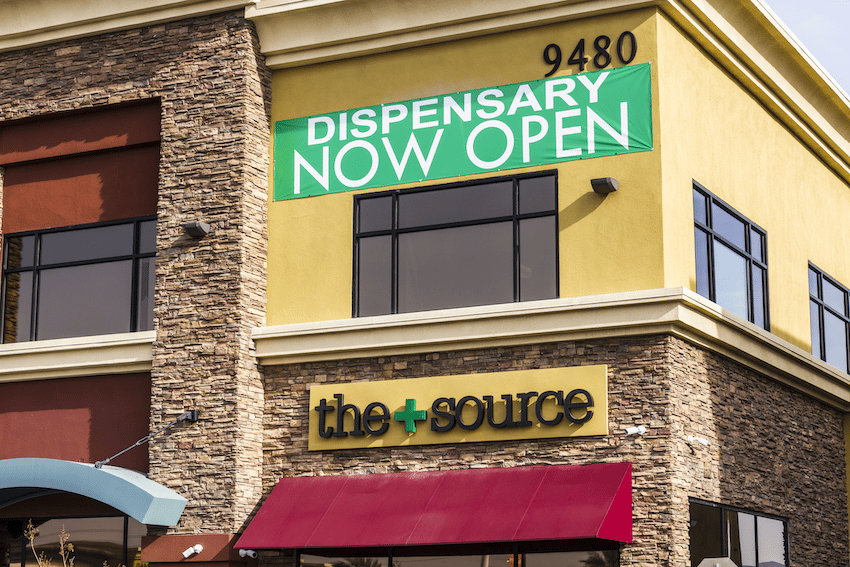
Over the past decade, marijuana has been legalized in 18 states as well as Washington, DC, for adults over the age of 21. Medical marijuana is legal in 38 states and Washington, DC, which provides greater marijuana access—both medically and recreationally—for all Americans.
Prefer to contact us online instead?
Use this form to send us a message. One of our recovery specialists will respond promptly.
There are many different opinions about legalized marijuana use. Regardless of opinion about marijuana, however, there is always the potential for marijuana addiction.
Marijuana addiction tends to be higher among younger people, with diagnosis commonly occurring during adolescence and young adulthood. With greater access to marijuana, it’s possible we will start seeing higher addiction rates in people in older age groups.
Marijuana addiction treatment begins with admitting that marijuana use is getting in the way of your everyday life or has caused problems in your relationships, work, life satisfaction, or other areas of life.
What’s the difference between marijuana dependence and addiction?
According to the National Institute on Drug Abuse, marijuana use can lead to problem use or marijuana use disorder. People who start using marijuana under 18 are four to seven times more likely to develop this disorder, which may lead to marijuana addiction.
You may have a marijuana dependence if you start to feel withdrawal symptoms when you stop using, such as:
- Irritability
- Mood issues
- Sleep problems
- Loss of appetite
- Restlessness
These marijuana dependence symptoms may last up to two weeks after you’ve stopped using marijuana. This dependency is because your brain on marijuana has gotten used to large amounts of the drug and has reduced production of its own endocannabinoid neurotransmitters. The brain now “depends” on marijuana to produce the effects.
Signs of marijuana addiction
With any kind of drug addiction, there are physical and behavioral signs to be aware of. Marijuana addiction behavioral changes include:
- Distorted perceptions
- Impaired coordination
- Difficulty in thinking and problem solving
- Ongoing problems with learning and memory
Marijuana addiction treatment at Lifetime Recovery
Our marijuana addiction treatment approach includes the use of cognitive behavioral therapy to bring understanding to the role of marijuana addiction in your life and help you develop coping skills to avoid addiction relapse and maintain long-term sobriety.
At Lifetime Recovery, we use evidence-based approaches and develop an individualized treatment plan by a licensed and accredited multidisciplinary care team. In addition to cognitive behavioral therapy, our treatment program options include:
- Group therapy
- Individual therapy
- Solution-focused therapy
- Motivational interviewing
- Twelve-step facilitation
- Medication-assisted therapies
Find out more about our admissions process for marijuana addiction treatment.
Marijuana addiction treatment center serving South Jersey and surrounding areas
We provide marijuana addiction treatment and Mullica Hill, NJ, in South Jersey at our outpatient and recovery treatment center where we treat people with conditions ranging from drug and alcohol addiction to mental illness as well as co-occurring disorders/dual-diagnosis.
We’re also one of the few alcohol and drug rehab centers to provide gambling addiction treatment. Through our integrated model and holistic approaches, we provide evidence-based winning solutions for you to recover from addiction and develop healthy ways to live the rest of your life.
Serving all of New Jersey, Philadelphia, Delaware, Connecticut, and New York.