Addiction Therapy Services
Addiction is a disease that affects over 20 million people every year. Drug use amongst the population does not discriminate. Unfortunately, only a fraction of those who suffer from addiction seeks out the addiction therapy services that they need.
CALL NOW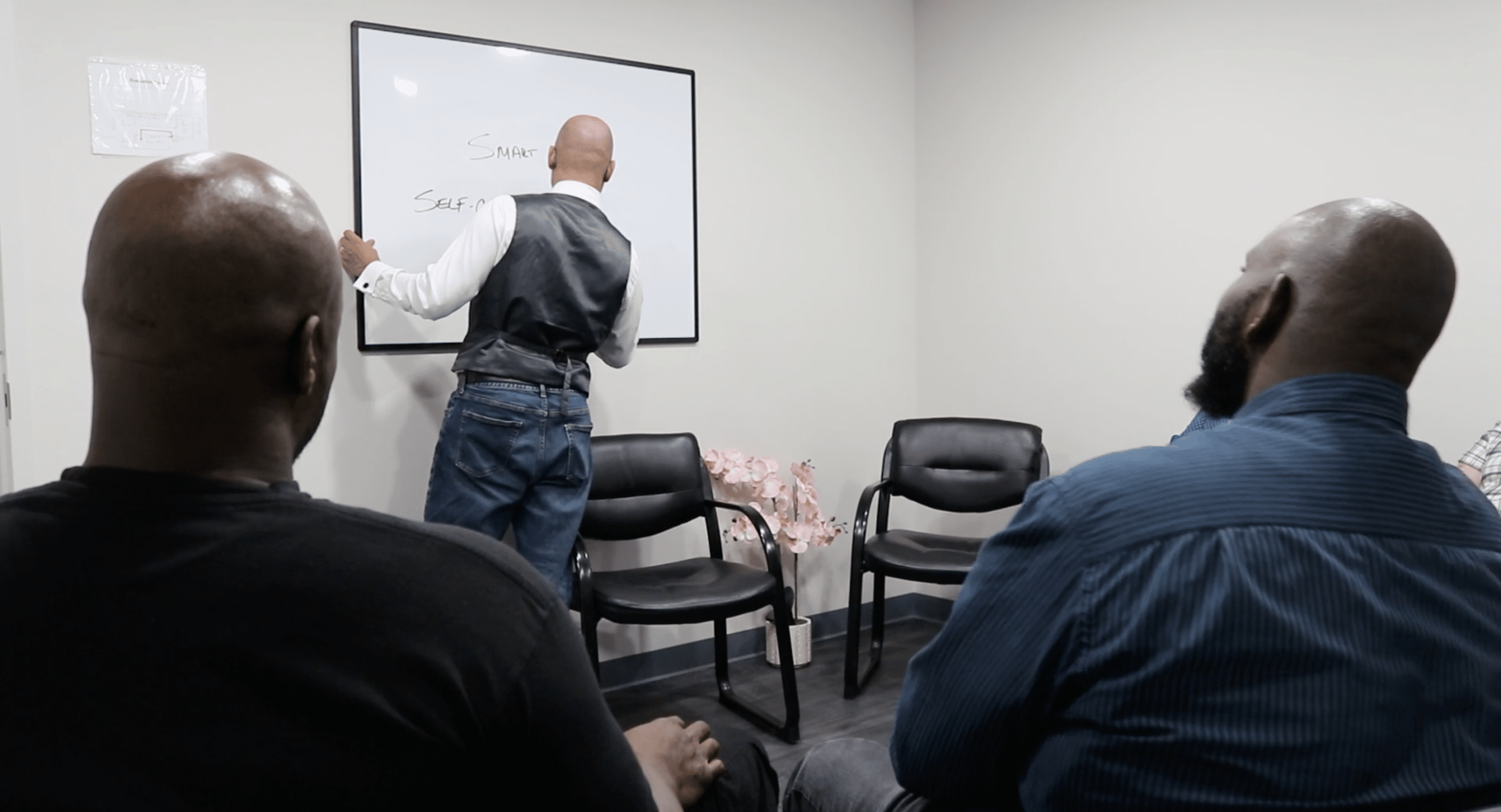
Prefer to contact us online instead?
Use this form to send us a message. One of our recovery specialists will respond promptly.
Many people either think that they don’t have a problem or are too embarrassed to seek out help, even if it means allowing their lives to spiral out of control. Some people can’t afford treatment.
When it comes to addiction therapy services, there are many different options out there, each designed to fit each person and their needs. Treatment plans typically focus on the psychological parts of substance abuse. You not only have to rid your body of the handful of substances that led to addiction, but you also have to understand what exactly caused your addiction, so you not only can learn from it but also prevent it from happening again in the future.
On this page, we will take a look at what exactly addiction therapy is as well as the different types of addiction therapy services that are available. It’s always recommended to research your potential treatment provider to improve your chances to stay drug-free.
What Is Addiction Therapy?
Addiction therapy services are critical components of the overall recovery process. Some might argue that they are the most important component. When it comes to addiction treatment, therapy is by far the number one focal point.
After all, addiction is a largely mental disease. The therapy process allows the person suffering from addiction a chance to not only learn what led them down the path to addiction but also provides them with ways to actively prevent relapsing in their everyday lives once they are finished with treatment.
During therapy, the person suffering from addiction will work with counselors in both an individual and group setting where they will work on honing in on the specific triggers that led to their addictions and work on reprogramming their brains so that they no longer need the substance or substances of abuse anymore.
This allows such people to truly learn and understand their addictions which is crucial in the recovery process. After all, if we don’t learn from our mistakes, we are doomed to repeat them.
Is Addiction Therapy Effective?
While addiction therapy has proven to be effective in the overall treatment process, it’s only as effective as the person who is in treatment allows it to be. Therapists and counselors can provide addiction therapy services until they are blue in the face, however, it is up to the person suffering from the addiction to apply what they learn in those therapy sessions so they can successfully recover.
Addiction therapy services help provide those suffering from addiction with the tools needed so that they can go on and live happy, healthy, and sober lives. It’s up to those people to apply the things that they learned in addiction therapy to their everyday lives once treatment has been completed and they re-enter society. Addiction therapy services are fundamental parts of dual diagnosis treatment.
A recovering individual with a mental health and substance use disorder is more likely to heal through dual diagnosis addiction treatment centers. This is because the toxic effects of drug addiction can negatively impact a person’s mental health and vice versa. It’s crucial to treat both disorders in order to prevent chronic relapse and withdrawal symptoms.
How Does Drug Abuse Affect the Brain?
Contact us nowThe human brain is full of complex systems, chemical messengers, and features that allow you to see your dog, feel hunger or pleasure, and remember that time you got locked out of your Sedan before a date. The brain stem is an epicenter for the brain and spinal cord.
Brain Stem and Basal Ganglia
The brain stem is responsible for subconscious functions such as breathing and maintaining your heart rate. The basal ganglia are responsible for motor functioning and drugs can cause you to lose control of motion.
Cerebral Cortex
The cerebral cortex is three-fourths of the entire brain. Additionally, the cerebral cortex is associated with higher levels of consciousness such as:
- Thought
- Memory
- Language
- Emotion
Prefrontal Cortex
If you repeatedly abuse drugs, this impacts the brain’s reward system, which can lead to intense cravings and withdrawal symptoms. Early drug use can impact the brain chemicals and brain’s reward circuitry of adolescents. The prefrontal cortex is still developing during this time and substance use disorders at an early age can introduce complications later on. Brain damage is all too common with long-term drug use.
Limbic System
The limbic system controls our emotional responses such as the ability to feel pleasure (mainly through the neurotransmitter dopamine). A natural neurotransmitter like dopamine could be overstimulated and produce side effects. The limbic system helps guide us toward rewarding behaviors and motivates us to repeat them, which includes taking drugs or other addictive behaviors.
The National Institute on Drug Abuse website details how the brain’s gray and white matter is responsible for cognitive development. Abnormal messages can arise from substance abuse. Drugs affect how the body communicates through the central nervous system, manipulating how the nerve cells interact with each other. Drug addiction is essentially the rewiring of the brain’s response to stimuli.
For example, depressant drugs such as opioid drugs affect how the brain responds to dopamine. When opioid drugs enter the brain, they attach to molecules on cells known as opioid receptors. The nervous system is flooded with intense pleasure from a spike in dopamine levels. A dopamine signal will convince you to persist as the brain remembers the sensation attached to taking drugs such as heroin or fentanyl. Other drugs work by increasing blood pressure or binding to other neurons instead of normal recycling. The central nervous system might increase or decrease body temperature to mitigate the effects.
How Does Therapy Help in the Treatment of Addiction?
Therapy for mental disorders can provide recovering individuals with the insight to develop normal communication with themselves and others. These human services are invaluable because they can help encourage growth through brain function and pain relief (whether emotional or mental).
The National Institute on Drug Abuse states that there is a link between mental health and drug use, as most individuals “self-medicate”. The dopamine system of the drug user is rewired through the way drugs interact with the dopamine receptors. From long-term drug use, the brain circuits and nerve cells can be damaged. The brain functioning of a drug user could use training.
What Does an Addiction Counselor Do?
An addiction counselor is a trained professional that employs techniques and practices to address behavioral health issues such as a substance use disorder. An addiction counselor is tasked with finding the underlying reasons behind your drug abuse. The effects of drugs on the brain can leave lasting damage to the central nervous system.
If you’ve abused drugs, this may impact your blood pressure, natural neurotransmitters, and ability to solve problems. Through the help of an addiction counselor, you’ll be able to identify triggers, comb through your past experiences with drug addiction, and provide education about emotional responses. An addiction counselor can guide you towards setting goals, better communication with your close ones, and tools to alleviate your drug dependence.
What Are the Different Types of Addiction Therapy Services?
As we mentioned above, there are several different types of addiction therapy services available, each designed to treat the person suffering from addiction and their needs. Before starting any type of treatment, a custom treatment plan will be put in place designed specifically for the person entering treatment and their needs. A treatment provider can provide payment assistance if necessary. Let’s take a look at some of the different types of addiction therapy that someone entering treatment might participate in.
Individual Therapy
As the name implies, individual therapy consists of 1-on-1 therapy between a licensed therapist or counselor and the person suffering from addiction. Meeting in this type of setting allows the person suffering from addiction to feel more comfortable with letting his or her guard down and getting to the bottom of what exactly led to that person’s addiction.
Additionally, it allows the therapist the time to focus all of his or her attention on one person, as opposed to group therapy where the therapist will have multiple people participating in each session. Individual therapy is also a great way to spend more time focusing on a topic that might have been discussed in group therapy in a one-on-one setting.
Individual therapy can be done anywhere from once a week to several times a week depending on each individual’s treatment plan. During the duration of treatment, each person will have one therapist that they meet with for all their therapy sessions. This allows the person who is in treatment the ability to develop a relationship with the therapist which will in turn make the person feel more comfortable opening up to that therapist.
Group Therapy
Group therapy is another highly common and highly popular aspect of the treatment process. It is typically designed as a therapy option that compliments individual therapy. Whereas individual therapy involves one-on-one treatment, group therapy focuses on the group component of treatment.
From a psychological and emotional standpoint, one of the biggest issues that those suffering from addiction face when entering treatment is the feeling of alienation. In many cases, those suffering from addiction have lost support from friends and family. Being cut off completely from one’s friends and family is what causes many people suffering from addiction to enter treatment in the first place.
Group therapy is a great way to remind those that feel isolated that there are people out there that care for them and their well-being. It allows them to re-learn the social skills needed to build back up those broken relationships when they leave treatment. Additionally, it provides a great support system and even helps them learn new techniques for staying sober.
Family Therapy
As we mentioned above, for many people, the strained or even broken relationships between them and their families because of their addiction is what ultimately led them to treatment. They might have been given an ultimatum by family members or loved ones or may have even gotten completely cut off from their loved ones due to their addictions.
Just as it is important to get the person suffering from addiction back on the right track, it is also important to get that person’s family members and loved ones back on the right track as well. That’s where family therapy and counseling come in.
The ultimate goal of family therapy is to bring clarity to what exactly caused problems within the family dynamic so it can ultimately be treated and fixed. Through family therapy, the person who is in treatment and his or her respective family members will work to not only repair any damaged relationships but also to get the family back together should the family members of the person in therapy choose to participate. Just as there is individual and group counseling for the person who is in treatment, there is also individual and group counseling for the family members of that person as well.
Cognitive Behavioral Therapy
As mentioned earlier, addiction is a largely mental and psychological disease. After all, it’s the brain that tells the person that it needs more and more of the substance or substances of abuse to function properly. To truly recover from addiction, the brain has to be reprogramed so it doesn’t think that it needs those substances anymore. One great way to help in reprogramming the brain is through cognitive behavioral therapy, or CBT.
CBT can be used to help treat many different substance abuse issues. It helps those in treatment learn to not only recognize those behaviors that might have resulted in substance abuse but also teaches them ways to change those behaviors. Cognitive-behavioral therapy can also help with the development of the coping skills needed to help with preventing relapse. CBT can also help those suffering from co-occurring disorders as well.
Rational Emotive Behavioral Therapy
Rational emotive behavior therapy or REBT is designed to help those suffering from addiction understand the thoughts that led them down the path to addiction in the first place. In addition, it helps them develop better, healthier habits as well as teaches them how to think more positively and rationally. This can improve not only their overall mental health but can also help them realize that they don’t need drugs and alcohol to enjoy their lives. It ultimately teaches them that happiness comes from within, not from whatever substance or substances they might have been taking in the past.
Are You Interested in Addiction Therapy Services?
It’s important to remember that addiction is a disease and just like any other disease you should never be embarrassed or ashamed to get the help needed to treat it. For those that are interested in getting help for their addictions, there are many different treatment centers and therapy options available, all designed to help treat each person and his or her needs.
At Lifetime Recovery Center, it is our goal to get every person that walks through our doors the help that they need to live happy, healthy, and sober lives. We work with each person to create a custom treatment plan designed specifically for them and their needs. If you or someone you know is suffering from addiction and could benefit from addiction therapy and counseling services, contact us today.
Prefer to contact us online instead?
Use this form to send us a message. One of our recovery specialists will get back to you.