Gambling Addiction Treatment
Gambling addiction is an impulse-control disorder. If you are a compulsive gambler, you can’t control the urge to gamble, even when it has negative consequences for you or your loved ones. Thankfully, there is hope for you here at Lifetime Recovery located in Mullica Hill, New Jersey, through our gambling addiction treatment program. Learn how we can help you overcome this behavioral addiction today.
CALL NOW
Prefer to contact us online instead?
Use this form to send us a message. One of our recovery specialists will respond promptly.
Gambling addiction treatment begins with recognizing the problem
As is typical of other addictions, the biggest step to overcoming this disorder is realizing you have a problem. Gambling addiction is also known as:
- Gambling disorder
- Pathological gambling
- Compulsive gambling
And there are three types of gamblers:
- The professional gambler
- The social gambler
- The problem gambler
You may be surprised to learn that studies have shown that online/internet gambling is even more addictive than casino gambling.
What is the difference between problem gambling and gambling addiction?
Gambling addiction is sometimes referred to as a “hidden illness” because there are no obvious physical signs or symptoms like there are in drug or alcohol addiction. Problem gamblers also typically deny or minimize the problem—even to themselves.
It takes a lot of strength to admit to this problem, especially if you have lost a lot of money and broken relationships along the way. But gambling addiction treatment is available. Many other people have been in your shoes and have been able to break out of this trap and rebuild their lives. So can you.
Gambling addiction treatment at Lifetime Recovery in South Jersey
 Overcoming a gambling addiction is not easy and seeking professional help doesn’t mean that you’re weak or can’t handle your issues. Also, it’s important to keep in mind that every gambler is unique so you will need a recovery program developed specifically for your situation. A doctor or mental health professional can help you explore the different types of gambling addiction programs.
Residential or inpatient programs
These programs are for people who have a severe gambling addiction and are not able to avoid gambling without 24-hour supervision and support. If you no longer have a job or school to be concerned about, and you have no support at home, this may be a necessary option. All of our residential or inpatient gambling addiction treatment programs are located in Mullica Hill, New Jersey.
Outpatient programs
There are different levels of care in outpatient programs. They are:
- Partial care (PC) or partial hospitalization program (PHP) This type of program is a lower level of care than residential programs, but similar in daily structure. In PC or PHP your days are spent in the safety and security of the treatment center, usually 5 days per week. Days will be structured with therapy programs, building a life, communication and relationship skills, and learning relapse prevention.
- Intensive outpatient program (IOP) In the intensive outpatient program for gambling addiction, you will spend your time at the treatment facility in much the same activities. However, you will only go 3 to 5 days a week. This leaves more flexibility and freedom to schedule work, family, or school obligations.
- Outpatient program (OP) Outpatient programs are good for people who don’t have a severe or long-term gambling addiction. You have more freedom than in the IOP in that it requires less time at the treatment facility. OPs are also good for people who have completed a higher level of care but don’t feel quite confident enough to totally end treatment and be on their own.
Our outpatient gambling addiction treatment programs are also located in Mullica Hill, in South Jersey.
Gambling addiction therapy treatment in rehab

Cognitive-behavioral therapy (CBT)
Cognitive behavioral therapy for gambling addiction looks at how to change unhealthy gambling behaviors and thoughts. This includes rationalizations and false beliefs. It can also teach you how to fight the urges to gamble and solve financial, work, and relationship problems caused by gambling. CBT can give you skills for coping with your addiction that will last a lifetime.
Family therapy
When one person in a family is addicted, all members are affected by it. It is almost certain that your family relationships have been negatively affected by your gambling disorder. Family therapy offers a chance to educate family members and rebuild communication skills, trust, and relationships.
Career and credit counseling
These are most likely issues that have been created by compulsive gambling and can be addressed in counseling sessions
Treatment for co-occurring conditions
There may be a co-existing condition that contributes to your gambling addiction. It may be:
- Substance abuse
- Depression
- Anxiety
- Obsessive-compulsive disorder (OCD)
- Attention-deficit hyperactivity disorder (ADHD)
- Bipolar disorder
When a person has an addiction and a mental disorder, it is called a dual diagnosis and it needs to be treated along with the addiction. Dual diagnoses are common in many types of addiction. Problem gambling is sometimes a symptom of bipolar disorder so this will need to be evaluated before making a diagnosis.
Getting gambling addiction treatment in New Jersey
This is your time to come out of hiding from that gambling problem you’ve been trying to cover up. You can do yourself, your family, and your friends a favor by making that one step into recovery. You are not the only person to suffer from a gambling addiction.
At Lifetime Recovery, we can guarantee you that.
And we are one of the few facilities that has a dedicated treatment program for gambling addiction along with our accredited substance use disorder programs. We care about every client because many of us have been in your place.
This can be turned around and you can start today. Providing gambling addiction treatment to people from the surrounding tri-state areas including Jersey City, Newark, Paterson, Elizabeth, Edison, Toms River, and Lakewood.
Read more from blog
The Devastating Effects of Gambling Addiction
Gambling addiction is an impulse-control disorder. If you are a compulsive gambler, you can’t control the urge to gamble, even when it has negative consequences for you or your loved…

Is Gambling Addiction a Mental Illness? (and How to Know When It’s Time to Stop)
Gambling addiction is a progressive addiction that can cause many psychological, physical, and social consequences. It is classified as an impulse-control disorder and is included in the American Psychiatric Association’s…

How to Deal with a Gambler Husband
If you’ve been living with a gambler husband in the house, no doubt you’re living with a lot of fear, shame, uncertainty, and a great deal of anger and resentment.…
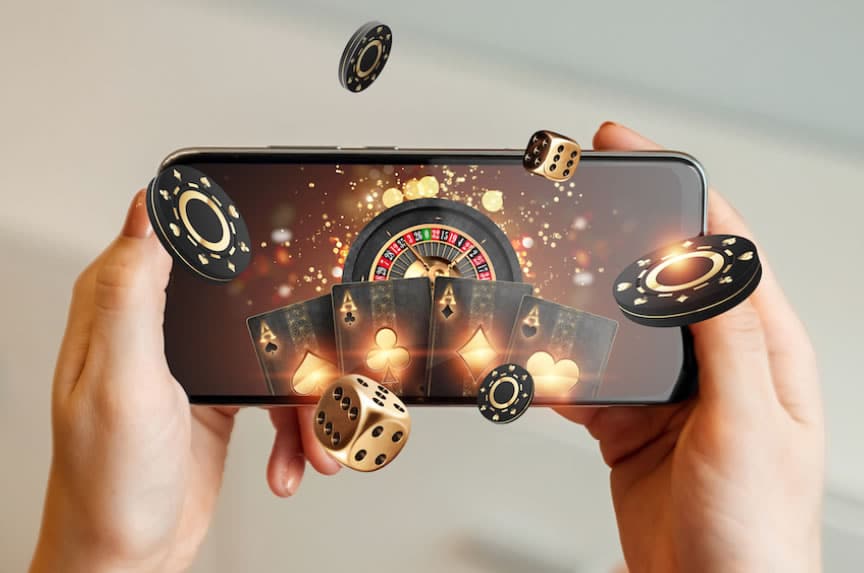
Five Important Myths and Facts about Gambling Addiction
When you’re living with someone who has a gambling addiction or you have a loved one who has a gambling problem, it’s hard to know how to help or what…
How Gambling Addiction Affects the Family Unit
Addiction negatively impacts a person’s life in many ways. These consequences can be emotional, physical, and/or social. However, the person who is abusing a substance isn’t the only one who…